10 Essential Tips for Using the Harvard Resume Template Effectively
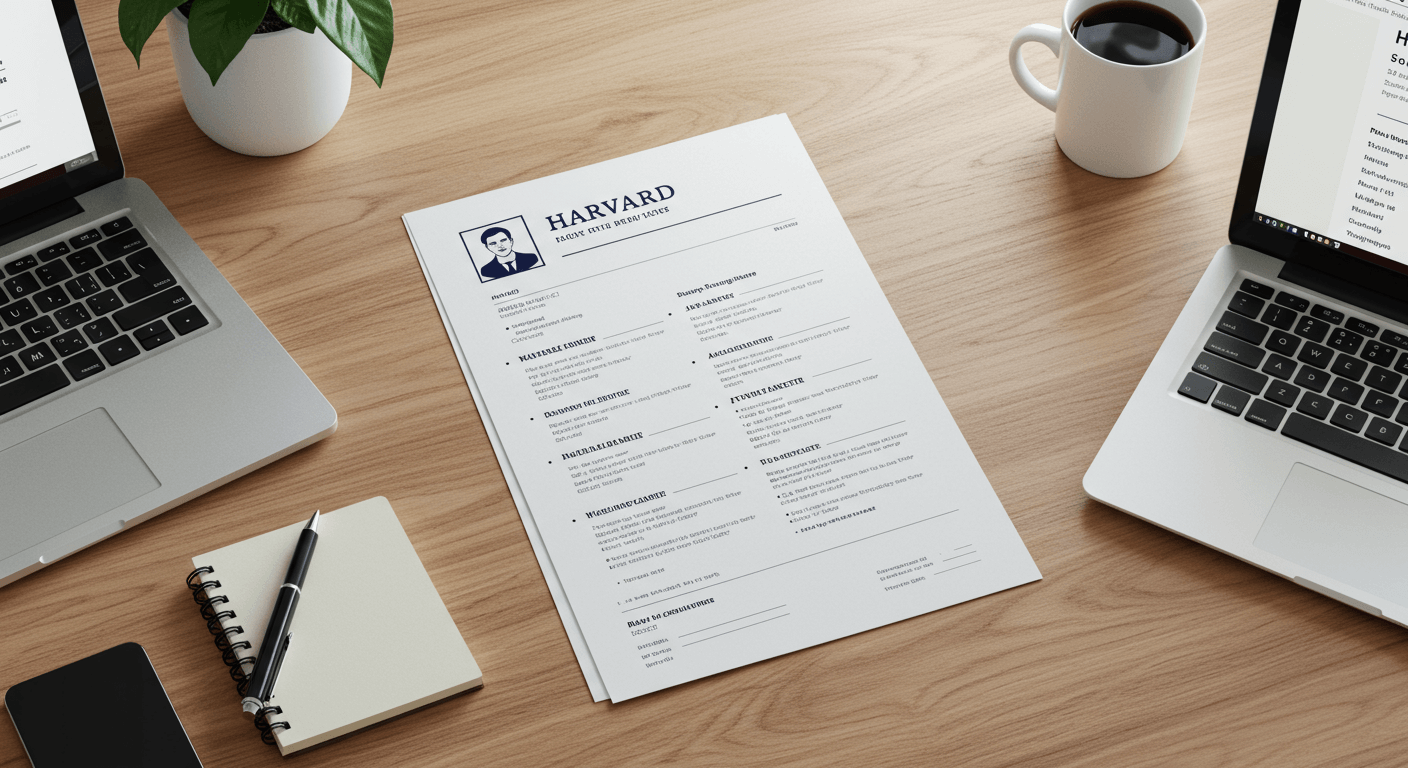
10 Essential Tips for Using the Harvard Resume Template Effectively
Creating an effective resume can be daunting, especially for college students and recent graduates. The Harvard resume template is a widely recognized tool that can help you present your qualifications in a clear and professional manner. In this guide, we will delve into essential tips for using the Harvard resume template effectively. By the end, you’ll have a solid understanding of how to craft a standout resume that catches the attention of potential employers.
What is a Harvard Resume Template?
The Harvard resume template is a structured format designed to highlight the experiences, skills, and accomplishments of applicants, particularly college students. It emphasizes clarity and organization, making it easy for hiring managers to quickly scan and assess qualifications. The template typically includes sections for education, experience, skills, and activities, laid out in a clean, professional style.
Why Use a Harvard Resume Template?
Using a Harvard resume template can provide several advantages:
- Professional Appearance: The layout is aesthetically pleasing and easy to read, which is crucial in making a positive first impression.
- Structured Format: The template guides you in organizing your information logically, ensuring nothing important is overlooked.
- Widely Accepted: This format is recognized by many employers, particularly in academic and professional fields, making it a safe choice for job applications.
Now that we understand the basics, let’s explore the essential tips for maximizing the effectiveness of the Harvard resume template.
1. Customize Your Template
While the Harvard resume template provides a solid foundation, it’s essential to customize it to reflect your unique experiences and skills. Tailor the content in each section to align with the job description or the field you’re applying for.
- Tip: Use keywords from the job posting to enhance your resume’s relevance. This not only helps in passing applicant tracking systems (ATS) but also shows employers that you understand their needs.
2. Focus on Bullet Points
The bullet point resume template feature is one of the Harvard template’s significant advantages. Bullet points allow you to present your accomplishments and responsibilities clearly and concisely.
-
Structure Your Bullet Points: Start with an action verb, followed by a task and quantifiable results if possible. For example, “Managed a team of five in a project that increased sales by 20% within six months.”
-
Tip: Limit each bullet point to one or two lines for better readability.
3. Prioritize Relevant Experience
When you use the Harvard resume layout, prioritize your most relevant experiences. This can include internships, volunteer work, part-time jobs, or significant projects related to your desired field.
- Tip: If you have limited professional experience, consider including relevant coursework, academic projects, or leadership roles in student organizations.
4. Maintain Consistent Formatting
Consistency is key in any professional document. Ensure that your formatting remains uniform throughout your resume.
- Font and Size: Use the same font type and size for headings and body text. A common choice is a professional font like Times New Roman or Arial, typically in 10-12 point size.
- Margins and Spacing: Maintain consistent margins (usually 1 inch) and spacing between sections to create a clean layout.
5. Highlight Your Skills
The skills section of your resume is crucial for demonstrating your qualifications at a glance. Use this section to list both hard and soft skills relevant to the position you’re applying for.
- Tip: Be specific about your skills. Instead of simply stating “communication skills,” consider mentioning “effective written and verbal communication” or mentioning specific tools you are proficient in, such as Microsoft Excel or Adobe Creative Suite.
6. Use Action-Oriented Language
Employers are looking for candidates who take initiative and achieve results. Use action-oriented language throughout your resume to convey this message.
- Example Phrases: “Developed a new marketing strategy,” “Optimized workflow processes,” or “Collaborated with cross-functional teams to achieve project goals.”
7. Include Relevant Coursework and Projects
As a college student or recent graduate, your coursework and academic projects can be valuable additions to your resume. They provide context for your skills and demonstrate your knowledge in your field.
- Tip: List relevant courses and describe significant projects briefly, focusing on outcomes or skills gained. For example, “Completed a comprehensive marketing project that resulted in a simulated 15% increase in market share.”
8. Keep it to One Page
For most college students and recent graduates, a one-page resume is generally sufficient. This forces you to focus on the most relevant and impactful information.
- Tip: If you find yourself struggling to fit everything onto one page, consider using a smaller font or adjusting margins, but avoid compromising readability.
9. Proofread and Edit
Typos and grammatical errors can detract from the professionalism of your resume. After completing your draft, take the time to proofread and make necessary edits.
- Tip: Ask a mentor, career counselor, or friend to review your resume. A fresh set of eyes can catch errors you may have overlooked.
10. Use Harvard Resume Examples for Inspiration
One of the best ways to ensure you are on the right track is to review Harvard resume examples. These examples can provide a reference point and inspire your own resume creation.
- Resources: Visit Harvard’s Career Services for a variety of resume samples and templates to help you visualize your final product.
Key Takeaways
Using the Harvard resume template effectively can significantly improve your chances of landing an interview. By customizing the template, utilizing bullet points, prioritizing relevant experience, and maintaining consistent formatting, you can create a powerful resume that stands out. Remember to use action-oriented language, include relevant coursework, and keep it concise. Don’t forget to proofread and take advantage of available resources, such as Harvard resume examples, to guide your process.
Next Steps
Now that you’re equipped with these essential tips, it’s time to start crafting your resume. Begin by downloading the Harvard resume template and outlining your experiences and skills. As you go through the process, keep these tips in mind to ensure your resume effectively showcases your qualifications.
For further resources, consider exploring these helpful links:
With careful attention to detail and a strong focus on your accomplishments, your Harvard resume can be a powerful tool in your job search. Good luck!